


The Right Breathing Technique for Open Water Swimming
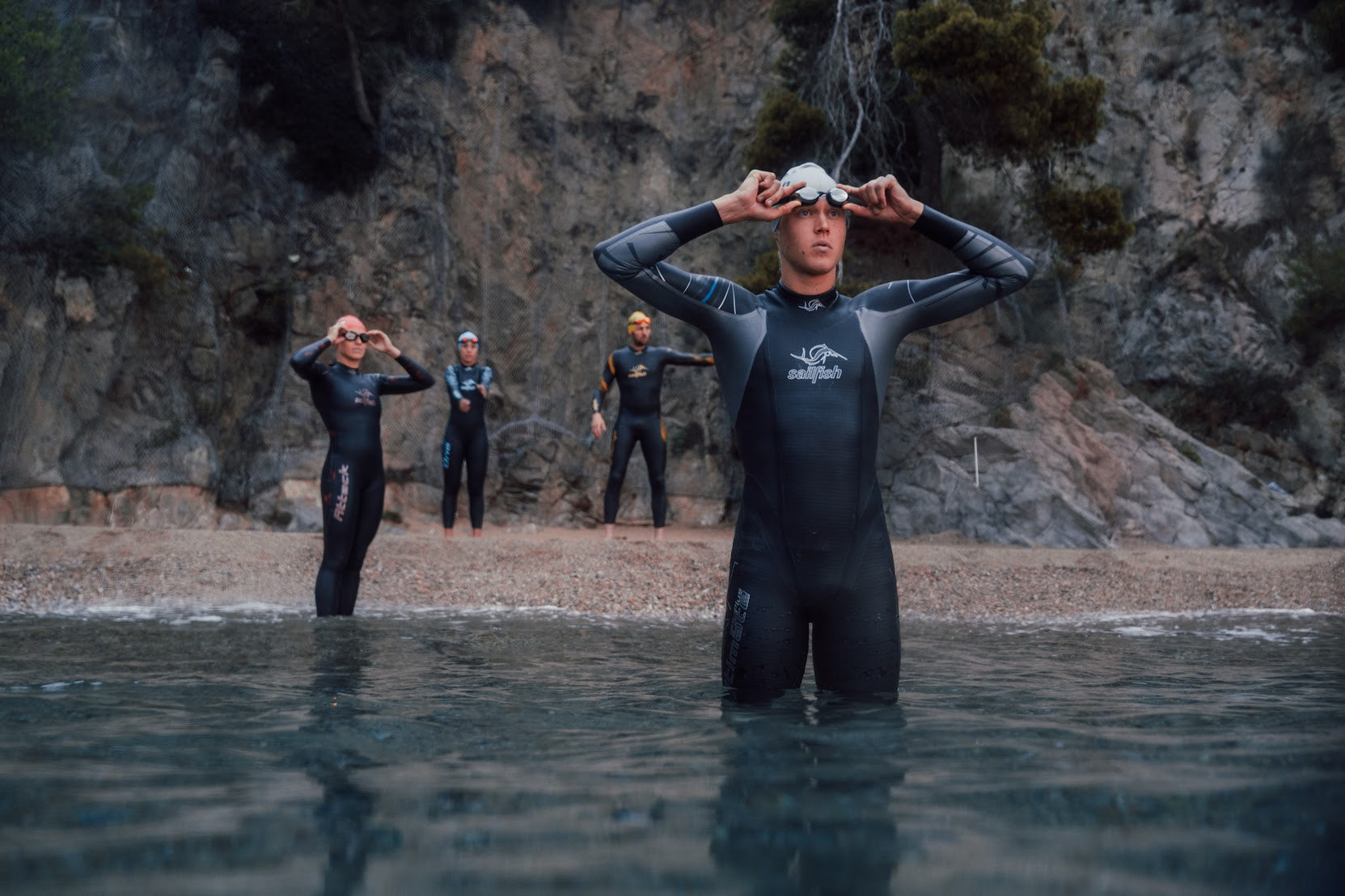
Your breathing feels controlled and relaxed in the pool, but suddenly everything changes in open water? Many triathletes know exactly this feeling: a rising heart rate, hectic breathing and stress after only a few meters in the water.
In most cases, this has nothing to do with fitness. Open water simply creates a completely different environment. Waves, dark water, reduced visibility and other swimmers nearby can quickly put your body into stress mode. The good news: With the right breathing technique, you can stay calmer, swim more efficiently and feel much more comfortable in open water.
Why breathing feels harder in open water
Unlike in the pool, open water removes many familiar points of orientation and safety. There are no lane lines, no walls every 25 meters and often limited visibility underwater. At the same time, external factors like waves, wind or close contact with other athletes increase the stress level.
As a result, many swimmers unconsciously start breathing too quickly or even hold their breath for short moments. This only increases the feeling of panic and tension.
One important thing to understand: In most situations, your body is not lacking oxygen. The uncomfortable feeling usually comes from rising CO₂ levels because you are not breathing out properly underwater.

The most important tip: Exhale calmly underwater
When stress levels rise, many athletes focus only on getting the next breath in as quickly as possible. The real key, however, is the exhalation.
Try to exhale continuously and calmly underwater instead of holding your breath. This keeps your breathing rhythm stable and helps your body relax. Your inhalation will then happen much more naturally and efficiently.
Especially in open water, it helps to start the first minutes slightly more controlled and relaxed. Starting too aggressively often causes your breathing and heart rate to spiral early.
Why bilateral breathing helps in open water
Breathing on both sides can make a huge difference in open water swimming. If you only breathe to one side, waves or wind conditions can quickly become uncomfortable. Being able to switch sides gives you much more flexibility and control.
Bilateral breathing also improves orientation and often creates a more balanced swimming position in the water.
This does not mean you always need to swim a perfect three-stroke breathing pattern. The important part is simply being comfortable breathing on both sides when needed.

What to do when stress or panic appears
Almost every swimmer experiences stressful moments in open water at some point. The goal is not to avoid them completely, but to react calmly and regain control quickly.
If you notice your breathing becoming hectic:
- Reduce your pace for a moment
- Focus on longer exhalations
- Lift your head briefly to regain orientation
- If necessary, turn onto your back for a few seconds
- Find your own rhythm again
Often, just a few calm breaths are enough to settle your body and mind.
How to train your breathing for open water
The good news is that proper breathing can be trained. Many exercises can easily be integrated into your normal swim sessions in the pool.
- Practice three-stroke or five-stroke breathing patterns
- Train sighting while swimming
- Start sessions with controlled easy swimming
- Practice breathing under higher intensity
- Add regular open water sessions to your training
With more experience, your breathing will automatically become calmer and more efficient. That is why experienced open water swimmers often stay relaxed even in challenging race situations.
Conclusion: Calm swimming starts with calm breathing
In open water swimming, performance is not only about fitness or technique. Controlled breathing is often the key to staying relaxed, maintaining orientation and swimming efficiently.
If you learn how to exhale calmly, adapt your breathing and stay composed under stress, open water swimming will feel far more comfortable and enjoyable.


Deje un comentario