


When water temperatures drop, the demands on your swimming equipment increase. A traditional triathlon wetsuit provides buoyancy, freedom of movement and some thermal insulation. But in particularly cold water, that may not be enough.
Especially in late autumn, winter and early spring, protecting your body from the cold without compromising flexibility becomes essential. In this article, you will learn what to look for in a wetsuit for cold water swimming, when a thermal wetsuit makes sense and how to approach cold water swimming safely.
When Is Water Considered Cold?
How cold water feels depends on several factors. Besides the temperature itself, your cold water experience, swimming duration and equipment all play an important role.
As a general guide:
- 16–20°C: Many swimmers use a regular triathlon wetsuit in this range. Comfort depends on individual cold tolerance.
- 13–16°C: The cold becomes noticeably more intense, especially in your hands, feet and face.
- Below 13°C: The demands on thermal protection and safety increase significantly. A dedicated thermal wetsuit can be beneficial.
These temperature ranges are not fixed safety thresholds. Cold water can place considerable stress on your body even at higher temperatures. Always pay attention to how your body responds.
Is a Regular Triathlon Wetsuit Enough for Cold Water?
A traditional triathlon wetsuit is primarily designed for efficient body positioning, low water resistance and freedom of movement. Neoprene also provides a certain level of thermal insulation.
However, at very low water temperatures, that insulation can reach its limits. Thin, flexible material sections and the absence of additional insulating layers may lead to faster heat loss.
A thermal wetsuit places greater emphasis on insulation while maintaining the flexibility required for swimming.
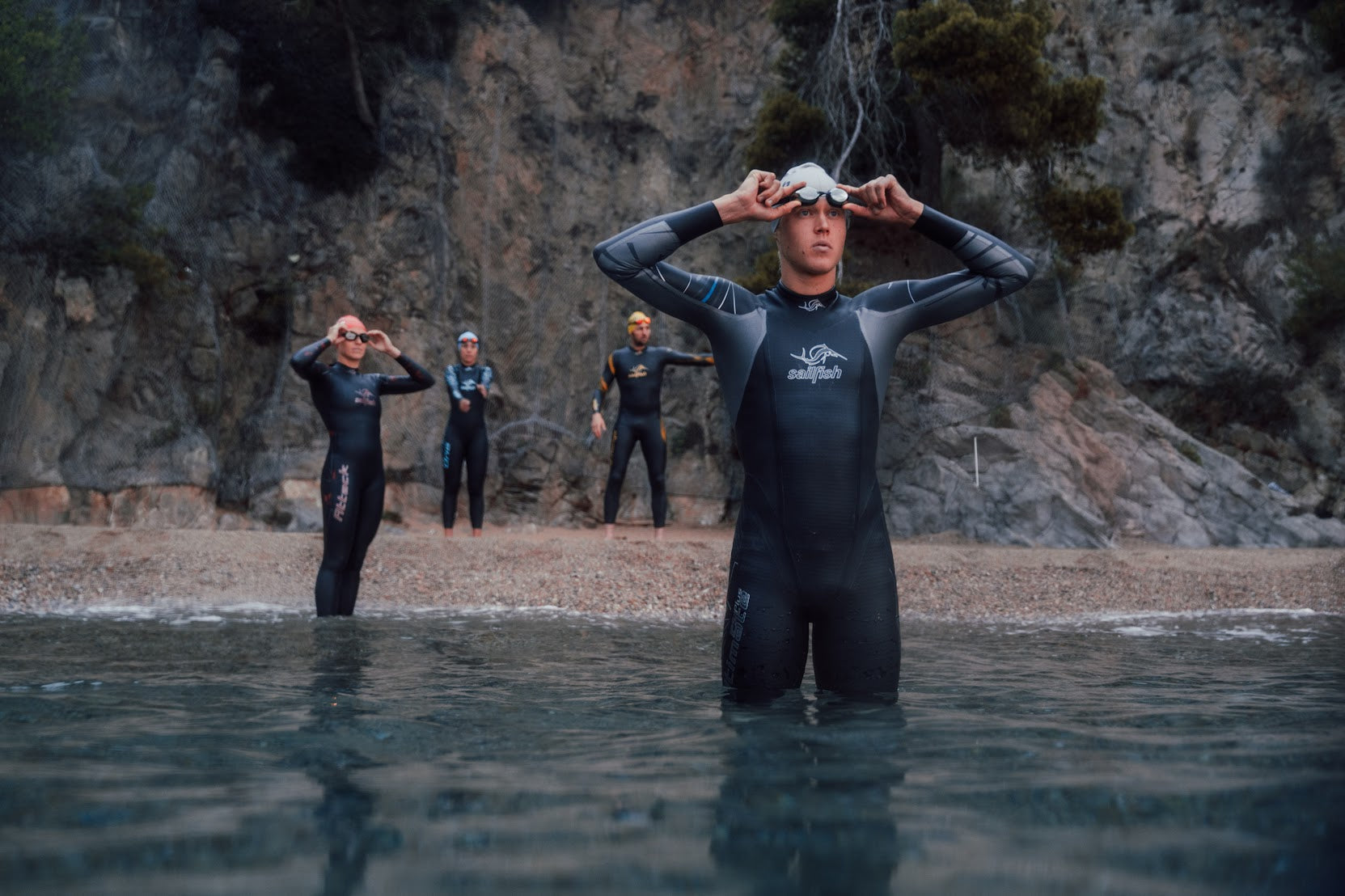
That is exactly why the sailfish Arctic 1 was developed. It is designed for swimmers who want to continue open water training at temperatures below 13°C.
What Should You Look for in a Cold Water Wetsuit?

A good cold water wetsuit should combine thermal insulation with freedom of movement. Four features are particularly important:
- Thermal lining: An additional insulating inner layer can reduce heat loss and improve thermal protection.
- Well-fitting collar: A properly fitted collar reduces the amount of cold water entering and circulating inside the wetsuit without putting uncomfortable pressure on your neck.
- Neoprene thickness around the torso: Suitable material thickness supports insulation around your chest and abdomen.
- Freedom of movement: Shoulders and arms need sufficient flexibility to maintain proper swimming technique, even in cold conditions.
Choosing the correct fit is equally important. A wetsuit that is too loose allows excessive water circulation, while one that is too tight can restrict breathing and movement.
sailfish Arctic 1: Designed for Cold Water Swimming
The sailfish Arctic 1 was specifically developed for swimming in low water temperatures.
Its construction combines several features that are particularly valuable in cold water:
- Graphene Thermofleece: The thermal inner lining supports insulation and helps reduce heat loss.
- Sandwich collar: The collar construction is designed to minimize cold water entering around the neck.
- Insulated chest area: The material construction supports thermal protection around the torso.
- Speedflex neoprene: Flexible material sections provide the freedom of movement needed for an efficient swimming stroke.
The Arctic 1 was designed for water temperatures below 13°C. It combines additional thermal insulation with the performance characteristics expected from a swimming wetsuit.
If you want to continue swimming beyond the traditional open water season, discover more about the sailfish Arctic 1.
Important: Even a dedicated cold water wetsuit cannot fully protect against hypothermia or cold shock. Safe swimming duration varies from person to person and depends on the conditions.
How to Swim Safely in Cold Water
The right equipment matters, but preparing properly for low water temperatures is just as important.
- Never swim alone: Swim with appropriate supervision or a companion and choose an accessible entry and exit point. A brightly colored swim buoy also improves your visibility.
- Enter the water gradually: Avoid jumping in suddenly. Cold water can trigger cold shock and uncontrolled breathing. Only start swimming once your breathing is under control.
- Keep sessions short: Adjust your swimming duration to your experience and the conditions. Do not wait until you are shivering heavily or losing coordination.
- Use additional thermal protection: A suitable neoprene cap, gloves and socks can help reduce heat loss from your head, hands and feet.
- Warm up after swimming: Remove wet clothing promptly and warm up gradually with dry clothes and a warm drink. Your core temperature may continue to fall after leaving the water.
If you experience severe shivering, dizziness, confusion or coordination problems, leave the water immediately and seek help. Suspected hypothermia requires medical attention.
Frequently Asked Questions About Cold Water Wetsuits
Is my regular triathlon wetsuit enough for winter swimming?
That depends on the water temperature, your cold tolerance and how long you plan to swim. A regular triathlon wetsuit already provides some thermal insulation, but a dedicated thermal wetsuit can offer additional protection in very cold water.
At what water temperature should I consider a thermal wetsuit?
A thermal wetsuit can be particularly useful below 13°C. The sailfish Arctic 1 was developed for this temperature range. However, there is no fixed temperature at which cold water swimming becomes safe.
Will a thermal wetsuit restrict my movement?
Not necessarily. Material construction and fit are the deciding factors. The Arctic 1 combines insulating sections with flexible Speedflex neoprene to maintain freedom of movement in cold conditions.
How can I keep my hands and feet warm while swimming?
Neoprene gloves and socks can provide additional thermal protection. A suitable neoprene cap is also helpful, as your head and face are particularly exposed to cold water.
Can I swim longer with a cold water wetsuit?
A thermal wetsuit can reduce heat loss, but how long you can remain in cold water depends on many factors. Better insulation does not automatically make longer sessions safe.
How Long Does Your Open Water Season Last?
For some swimmers, the open water season ends in September. Others continue swimming outdoors throughout autumn or even winter.
What about you? What is the lowest water temperature you are comfortable swimming in, and what equipment do you use?
Share your experiences and tips in the comments below.
enjoy your swim.


Leave a comment