A triathlon isn't three separate sports, it's the transition between them. That's exactly where brick training comes in. Athletes who connect the disciplines in training are prepared for what three separately trained sports never capture: the moment of switching over.
What is brick training?
Brick training means training two disciplines directly one after another, usually bike and then run, less often swim and bike. The classic is the bike-run brick, because the transition from cycling to running is the most uncomfortable moment in the race for many people. The legs feel heavy and unfamiliar, a feeling that only disappears through exactly this kind of training.
Why your legs feel so strange after the bike

When cycling, your muscles work in a different movement pattern and with different blood flow than when running. Switch straight to running, and your body needs a few minutes to adjust, the famous "jelly legs." Train this transition regularly and you get your muscles and nervous system used to it, running much more smoothly again after the bike. That's one of the biggest effects brick training delivers.
How to build a bike-run brick
The setup is simple: right after a bike session, put on your running shoes and set off, with no long break. To start, 10 to 15 minutes of running after the bike is enough; over time you can extend the run portion. What matters isn't the length, but the quick transition, because that's exactly what simulates the transition zone. Run the first few minutes deliberately controlled, rather than forcing the pace right away.
Connecting swim and bike
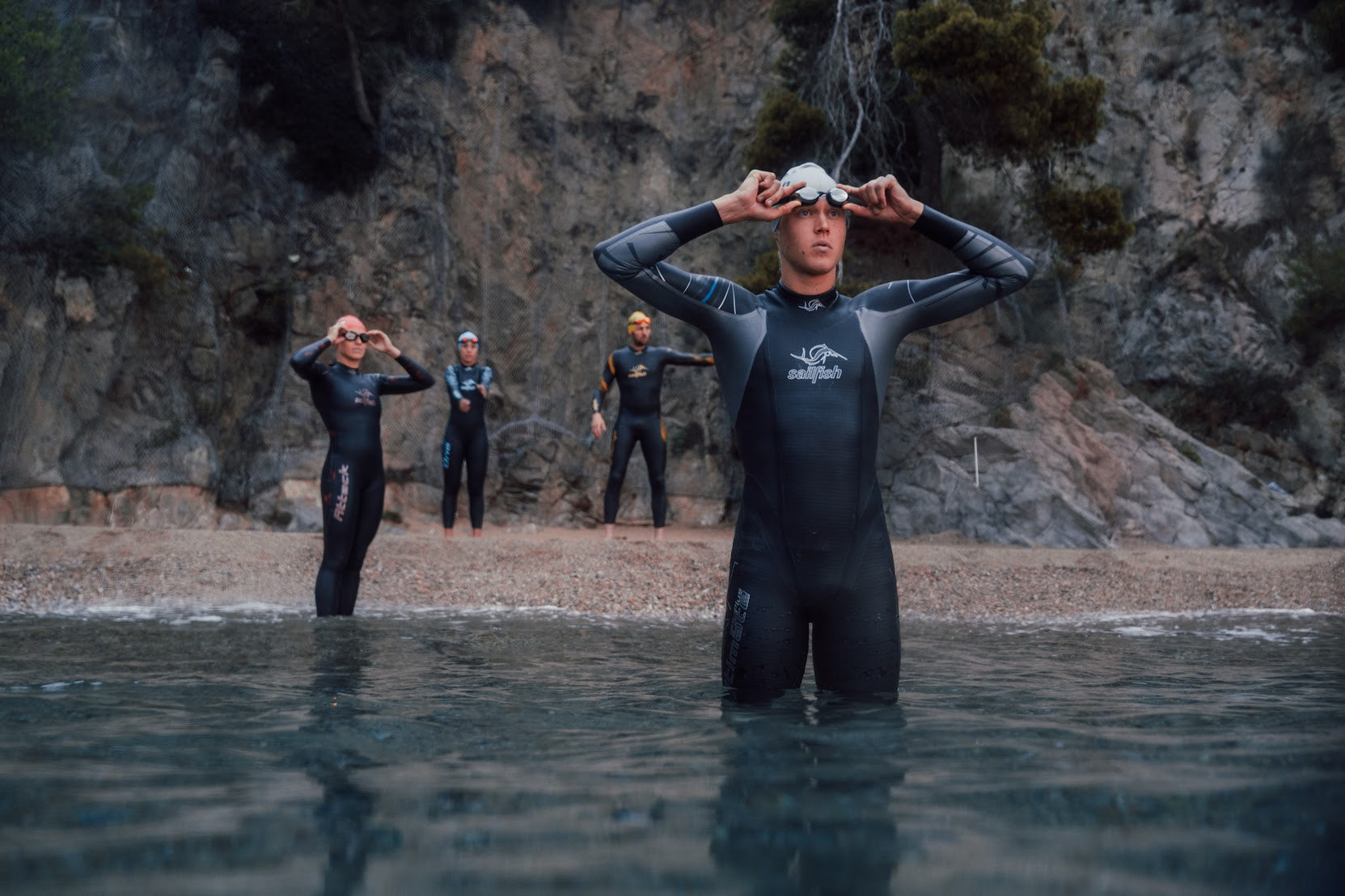
Rarer, but just as useful, is the swim-bike brick, especially before your first open-water season. It prepares you for the transition from the water to the bike, including getting the wetsuit off and the brief dizziness after exiting the water. Practice this in training and you'll lose less time in the first transition zone on race day and start the bike leg more calmly. Small details like a race number belt you can put on quickly make the transition even smoother, you'll find gear for that in our Race-Day collection.
How often is brick training useful?
For most age-group athletes, one brick session per week is enough, especially in the weeks before a race. More isn't automatically better: brick training is more intensive than two separate sessions and needs recovery accordingly. Build it deliberately into your plan, rather than ending every bike session with a run.
Common mistakes in brick training
The most common mistake is starting the run portion too fast. Heavy legs tempt you to fight against them, which wastes unnecessary energy. A controlled, even start is better. A second mistake is too long a break between bike and run, which removes exactly the training stimulus that's the whole point. Keep the transition as short as in the real transition zone.
Frequently asked questions about brick training
What does brick training mean?
Linking two disciplines directly in training, usually bike and run, to practice the transition for the race.
Why do the legs feel heavy after the bike?
Because muscles and blood flow work differently when cycling than when running. The body needs a few minutes to adjust.
How often should I do brick training?
For most people, one session per week is enough, especially in race preparation.
Should I also connect swim and bike?
Yes, especially before the open-water season, to practice the transition from the water to the bike and getting the wetsuit off.
Enjoy your swim.