


Few details of freestyle technique get debated as much as the kick. 2-beat, 4-beat, or 6-beat, the question sounds technical, but in triathlon it has a very practical answer: it depends on what you need your legs for. Here are the differences and when each version makes sense for you.
What do 2-beat, 4-beat, and 6-beat kick mean?
The number describes how many kicks happen per full arm cycle, meaning two arm strokes. With a 6-beat kick you kick six times, with a 4-beat four times, with a 2-beat only twice per cycle. The 6-beat is the classic sprint and pool-swimmer kick, the 2-beat the typical pattern of many triathletes and long-distance swimmers.
The 6-beat kick: propulsion and speed
Six kicks per cycle generate the most direct propulsion and stabilize your body position the most. The cost is high: your leg muscles consume a lot of oxygen, and that's exactly what you'll be missing later on the bike and run in a triathlon. For a 50-meter sprint in the pool, the 6-beat is ideal, for 3.8 kilometers in open water followed by a marathon, it's rarely the smartest choice.
The 2-beat kick: efficiency over distance
With a 2-beat kick, your legs mainly serve balance and rotation, not maximum propulsion. That saves energy you badly need for the later disciplines in a triathlon. Most long-distance triathletes therefore swim with a 2-beat, often without consciously knowing it. A calm, compact 2-beat keeps the legs up without turning them into energy hogs.

The 4-beat kick: the compromise
The 4-beat sits in between and is used by some middle-distance swimmers. In practice, it's rarely a conscious target for triathletes, but often a natural in-between form that emerges situationally, for example when you briefly pick up the pace in a race to catch a faster group.
What does this mean for your training?
If you're a triathlete, an efficient 2-beat kick is the most sensible foundation for most race situations. But that doesn't mean you should ignore the 6-beat: practicing it deliberately in training improves your body position, ankle mobility, and your ability to accelerate briefly in a race, such as at the start or when latching onto a drafting group.
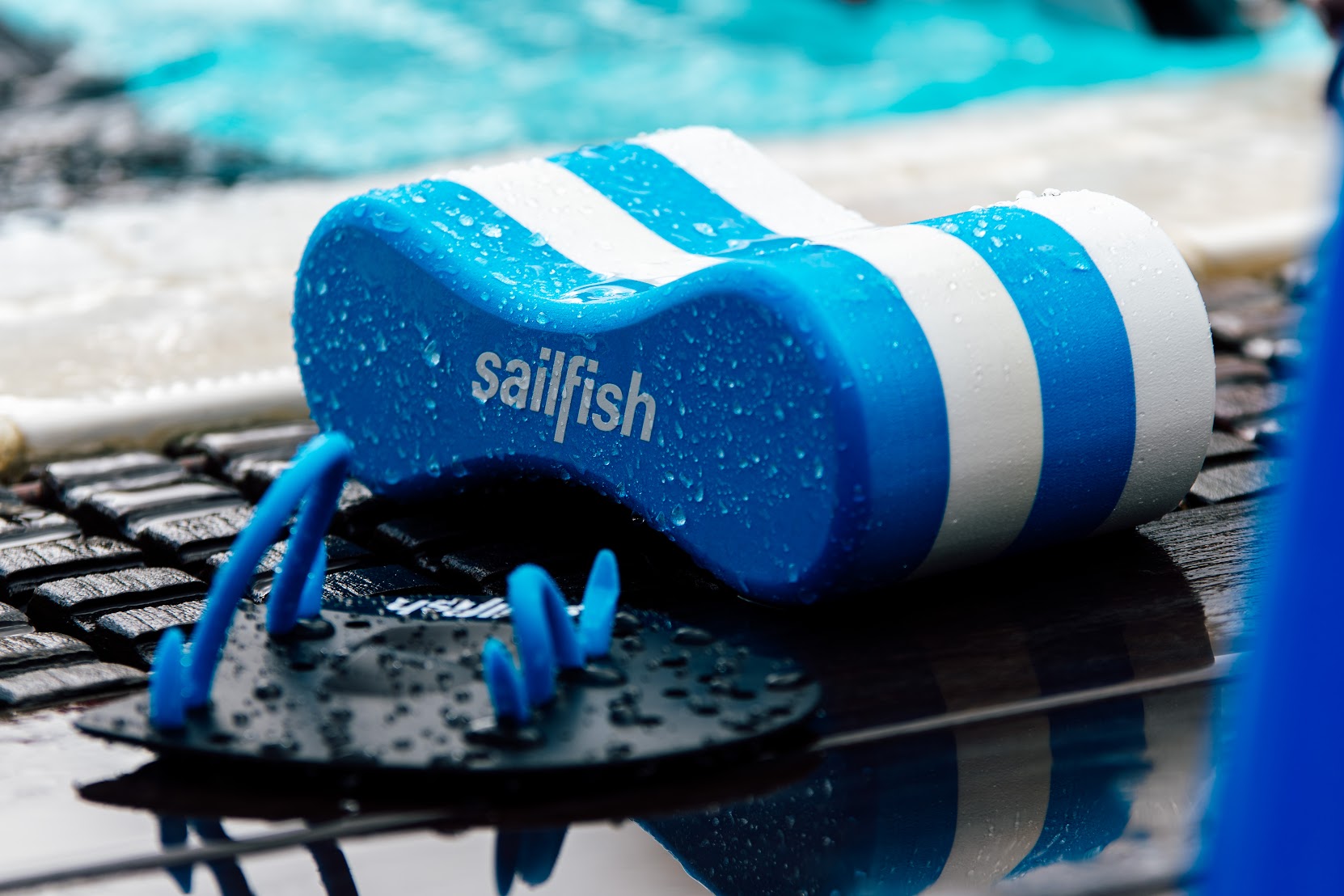
A common mistake among those switching over from running or cycling is a kick that's too forceful and comes from the knee. That slows you down more than it helps. The kick comes from the hip, the legs stay long and loose, the ankles relaxed. Practice it in isolation with a kickboard or fins to develop a feel for a loose, fast kick from the hip.
The kick and your wetsuit
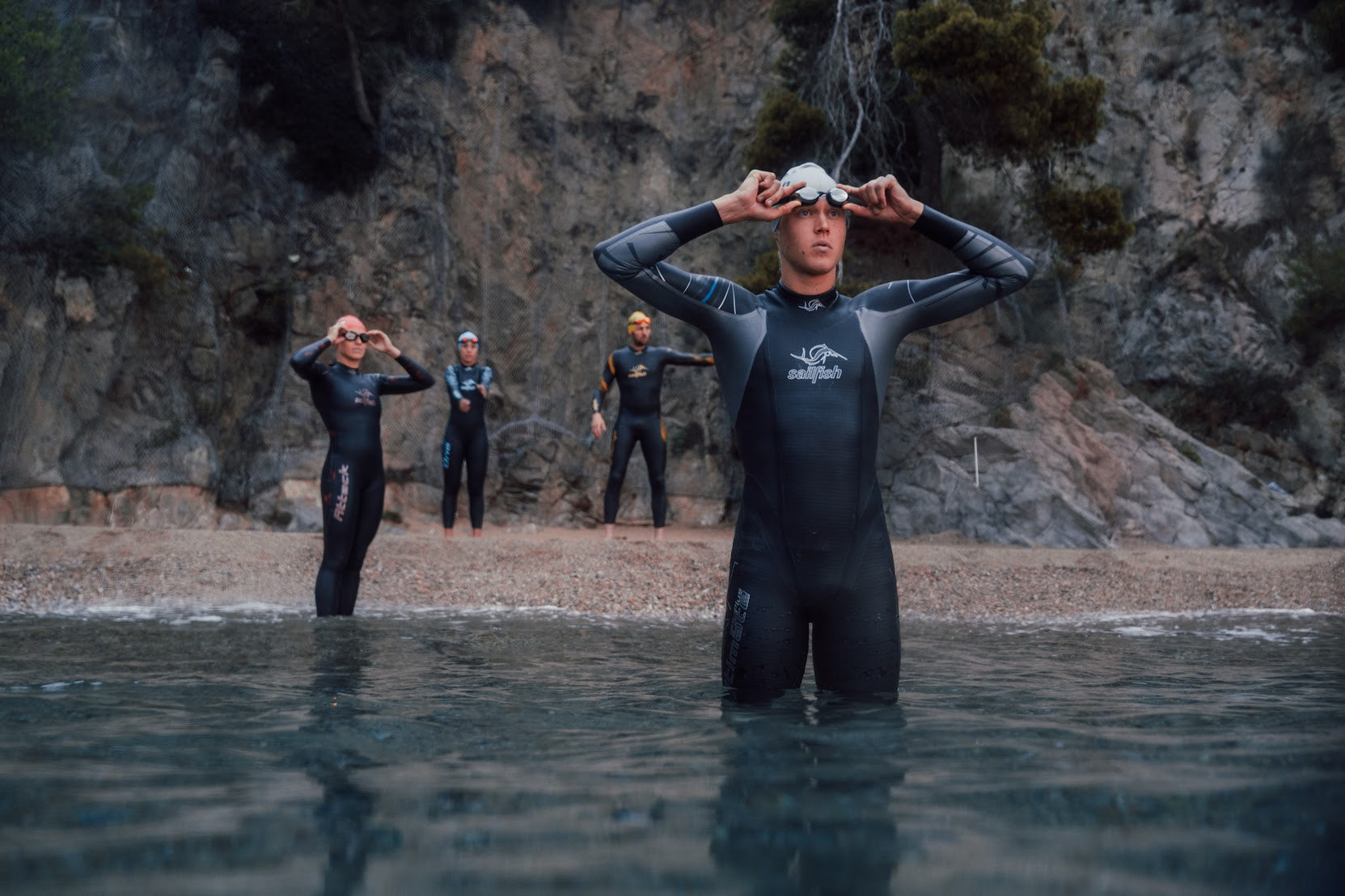
In a wetsuit, your kick changes automatically: the added buoyancy lifts your legs, so you need to kick less to maintain a good body position. That's exactly one reason many swimmers feel more effortless in a wetsuit. A suit with targeted buoyancy at the hips and thighs, like the sailfish Ultimate IPS Plus 4, supports precisely this effect and lets you stay efficient over long distances with an economical 2-beat kick.
Frequently asked questions about the freestyle kick
Which kick is best for triathlon?
For most triathletes, an efficient 2-beat kick makes the most sense, since it saves energy for the bike and run.
When is a 6-beat kick useful?
Mainly on short, fast distances like a pool sprint or for brief surges in pace during a race.
Why is my kick slowing me down?
Usually because it's too forceful and comes from the knee. A loose kick from the hip with relaxed ankles is more efficient.
Does the kick change in a wetsuit?
Yes, the added buoyancy lifts your legs, so an economical kick is enough to maintain your body position.
Enjoy your swim.


Leave a comment