The shoulder is the most heavily loaded joint in freestyle swimming, so it's no wonder shoulder issues are among the most common problems for swimmers and triathletes. The often-used term "swimmer's shoulder" describes overuse complaints that, in the vast majority of cases, can be prevented. Here's what matters.
Why the shoulder is so vulnerable when swimming
The shoulder joint is extremely mobile, but for exactly that reason it depends on a good interplay of muscles and tendons to stay stable. In freestyle, you repeat the same movement thousands of times per session. When technique flaws, muscular imbalances, or too rapid an increase in load come together, that repeated movement quickly turns into overuse. Important to understand: in most cases the problem isn't swimming itself, but the how and how much.
Technique: the most important protective factor

A common trigger is an arm that enters the water across the body's midline, which puts the shoulder into an unfavorable, impinging position. Make sure your hand enters in front of the shoulder on the same side, not centered in front of your head. A dropped elbow during the catch also loads the shoulder more than necessary. A clean rotation around the body's long axis further relieves the shoulder, because the pull then comes from the torso rather than the arm alone.
Increase the load gradually
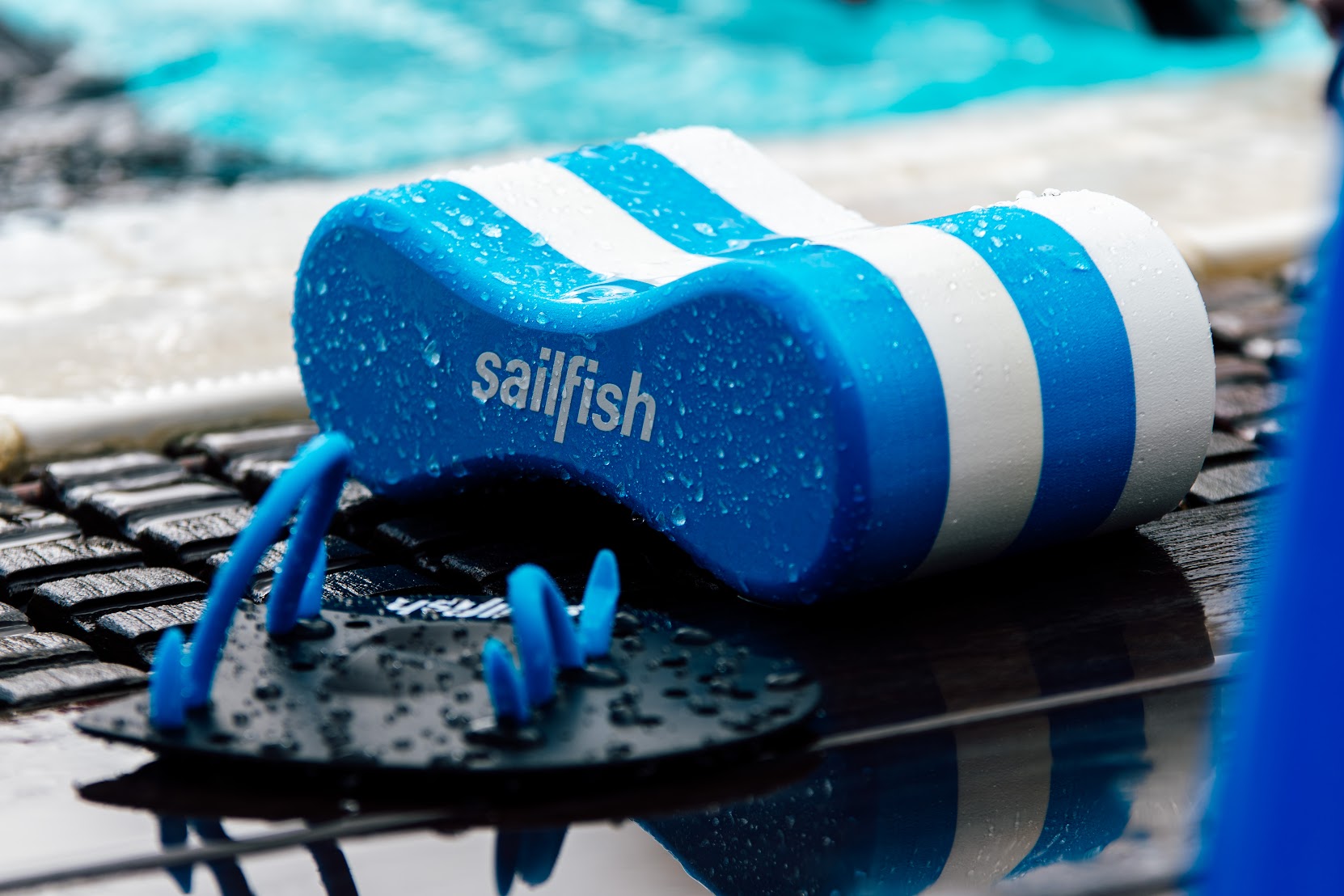
Many shoulder problems arise when volume or intensity is increased too quickly, for example at the start of the season or when returning after a break. The rule of thumb is to increase volume moderately and step by step, rather than jumping from zero to many kilometers in a few weeks. This applies especially to using paddles: they enlarge the surface area and thus significantly increase the load on the shoulder, and using them too early or too often is a classic trigger.
Balance: strength and mobility
Swimming alone trains the shoulder one-sidedly. Targeted strengthening of the rotator cuff and the muscles that stabilize the shoulder blade creates the stability needed to handle the many repetitions in the water safely. Just as important is the mobility of the thoracic spine: if it's restricted, the shoulder has to compensate. A short, regular program of band and stabilization exercises often works better here than long, infrequent sessions.
Take warning signs seriously
A slight pulling sensation after a hard session is normal. Persistent pain, pain that increases during swimming, or complaints that also occur in everyday life are, on the other hand, warning signs you shouldn't ignore. Training through the pain risks turning a small irritation into a long-lasting problem. With persistent or more severe complaints, the shoulder should be assessed by a doctor or physiotherapist. This article does not replace medical advice.
Frequently asked questions about shoulder problems when swimming
What is swimmer's shoulder?
An umbrella term for overuse complaints of the shoulder when swimming, usually triggered by technique flaws, too rapid an increase in load, or muscular imbalances.
How can I prevent shoulder problems?
Through clean technique, a gradual increase in load, targeted strengthening of the shoulder muscles, and sufficient mobility.
Are paddles bad for the shoulder?
Not inherently, but using them too early or too often significantly increases the load and is a common trigger of complaints.
When should I see a doctor about shoulder pain?
With persistent pain, pain that increases during swimming, or complaints that also occur in everyday life.
Enjoy your swim.