


You've crossed the finish line, the medal's around your neck, and this is exactly where many athletes make their first mistake: they underestimate how much the days after a race shape the rest of their season. Good recovery isn't doing nothing, it's an active part of your training. Here's what really matters in the first few days.
Day 0: Right after the finish
The first 30 to 60 minutes after the race matter more than they feel like they do. Your body is drained, your glycogen stores are empty, and your muscles are at their most receptive. Take in a combination of carbohydrates and a little protein soon after finishing, even if your appetite after a long-distance race often only shows up later. Just as important: drinking to replace fluid loss, ideally with some electrolytes.
Day 1: Movement, not bed rest
The day after the race, the temptation to stay flat on your back all day is strong. Light, easy movement is better: a walk, easy cycling in the lowest gear, or a gentle swim. This active recovery boosts circulation and helps clear metabolic waste from the muscles faster, without creating new load.

Sleep is the most important recovery tool
No massage, ice bath, or supplement comes close to the effect of good sleep. The most important muscle repair processes happen during deep sleep. Deliberately plan for more sleep than usual in the first nights after the race, even a short nap on day 1 or 2 can help. Ironically, many people sleep badly the first night after a big race, because adrenaline and muscle soreness linger, which makes the following nights all the more important.
Day 2 to 4: Listen to your body
Muscle soreness often peaks only on the second day. That's normal and no cause for concern. More important than a rigid plan now is honestly listening to your body's signals: lingering exhaustion, an elevated resting heart rate in the morning, or a lack of motivation are signs your body still needs more time. Ignore these signals and train hard too soon, and you risk a longer performance dip.
Getting back into swimming
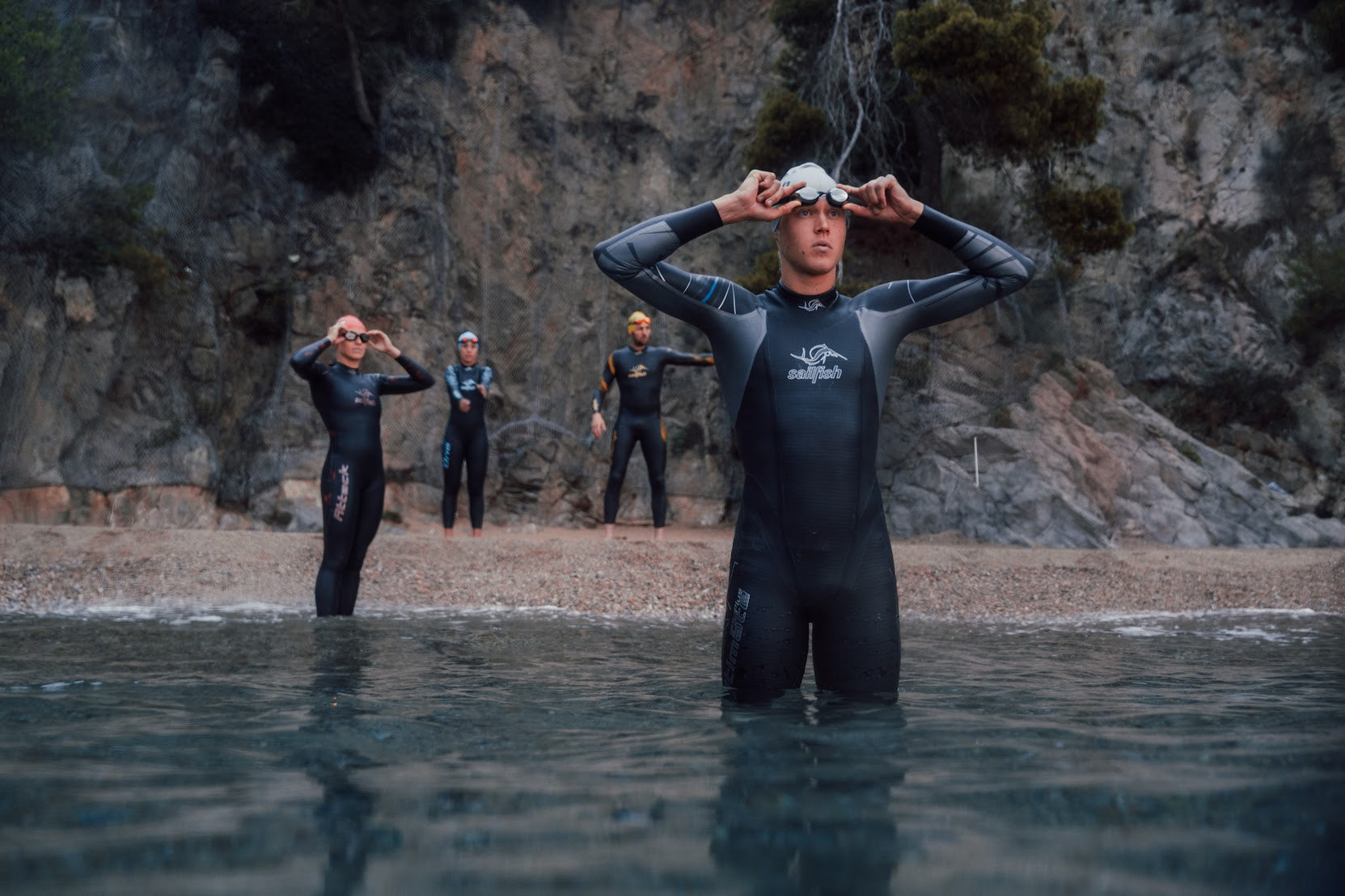
Easy swimming is particularly well suited to active recovery, because it takes load off the joints and gently gets the whole body moving. The key: it's not about pace or technique work, but calm, relaxed gliding. Keep the first sessions short and deliberately slow. A comfortable pair of goggles that doesn't press, like the sailfish Breeze, helps these easy sessions actually feel restorative, so you're not fighting distracting gear when you're really trying to switch off.
When can you train fully again?
As a rough rule of thumb: roughly one day of easy recovery per race hour before intensive sessions come back. After a sprint distance you're often fit again within two to three days, after a long-distance race it can take one to two weeks until your body is truly ready for full load again. These timeframes are guidance, not law, your individual feeling and training state count more than any table.
Frequently asked questions about recovery after a race
How long should I rest after a long-distance race?
Usually one to two weeks of easy, active recovery before training intensively again, depending on how you personally feel.
Is complete rest or light movement better?
Light, easy movement like walking, swimming, or easy cycling usually aids recovery more than complete bed rest.
What's the most important recovery tool?
Enough sleep. The key muscle repair processes happen during deep sleep.
When is muscle soreness at its worst?
Often only on the second day after the race, which is normal and no cause for concern.
Enjoy your swim.


Leave a comment