


7:21:04 hours. That's how long it took Sam Laidlow to complete 3.86 km of swimming, 180 km of cycling, and a full marathon at Challenge Roth 2026. The fastest time ever recorded over the full triathlon distance. But what does that actually mean in real numbers? How fast does someone swim, bike, and run to produce a time like that?
What is a world-best time in triathlon?
In triathlon, long-distance best marks are called world-best times, not world records. The reason: every course has its own profile, elevation, and weather conditions. A course like Roth, flat and fast, can't be directly compared to a hilly one. Even so, Roth is considered the benchmark, since it has produced the sport's fastest times for years.
The swim split: 46:57 minutes
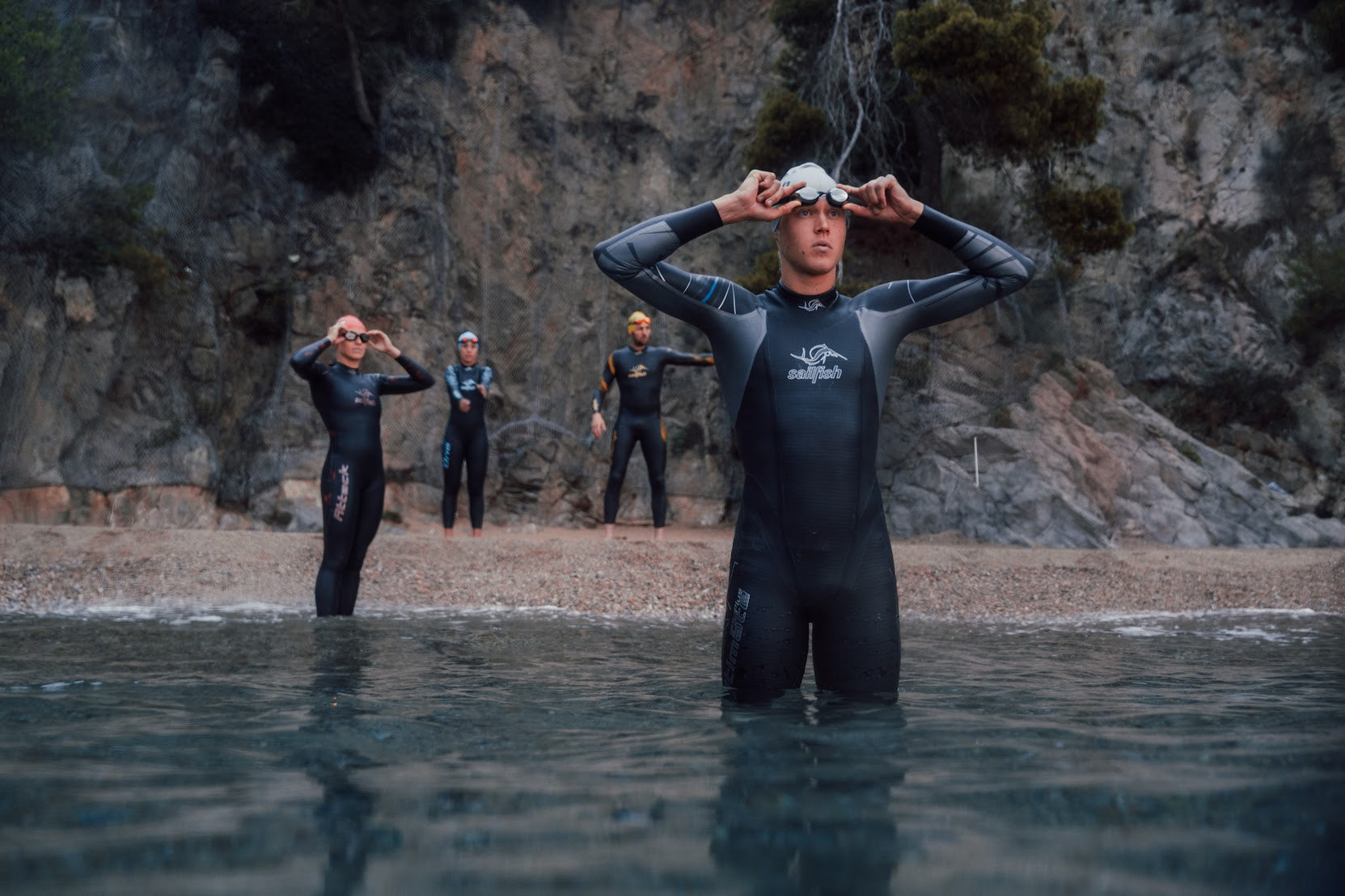
Laidlow covered the 3.86 km canal swim in 46:57 minutes, roughly 1:13 per 100 meters, sustained the whole way. With water at 25°C, wetsuits were banned for the professionals, so the field swam in swimskins, and Laidlow was no exception, wearing a sailfish swimskin. Holding that pace for a single 100 m in a pool, well-rested, is already tough for most swimmers. Laidlow held it for nearly an hour, before he'd even gotten on the bike.
What mattered wasn't just the raw time, but the position: Laidlow was already part of the lead group that broke away in the water. Underestimating the swim means missing where this race was actually decided. A gap built in the water is hard to close later, as Kristian Blummenfelt found out, despite running one of the fastest marathons in the field, he couldn't make up Laidlow's lead from the swim and bike.
The bike split: 3:54:58 hours
180 kilometers in 3:54:58 hours works out to just under 46 km/h, across two loops with around 1,500 meters of climbing. Not a flat time-trial course, but one with real climbs like the Solarer Berg. Laidlow and Rico Bogen built a lead of more than twelve minutes together, extending what had already started in the water.

The run split: 2:36:53 hours
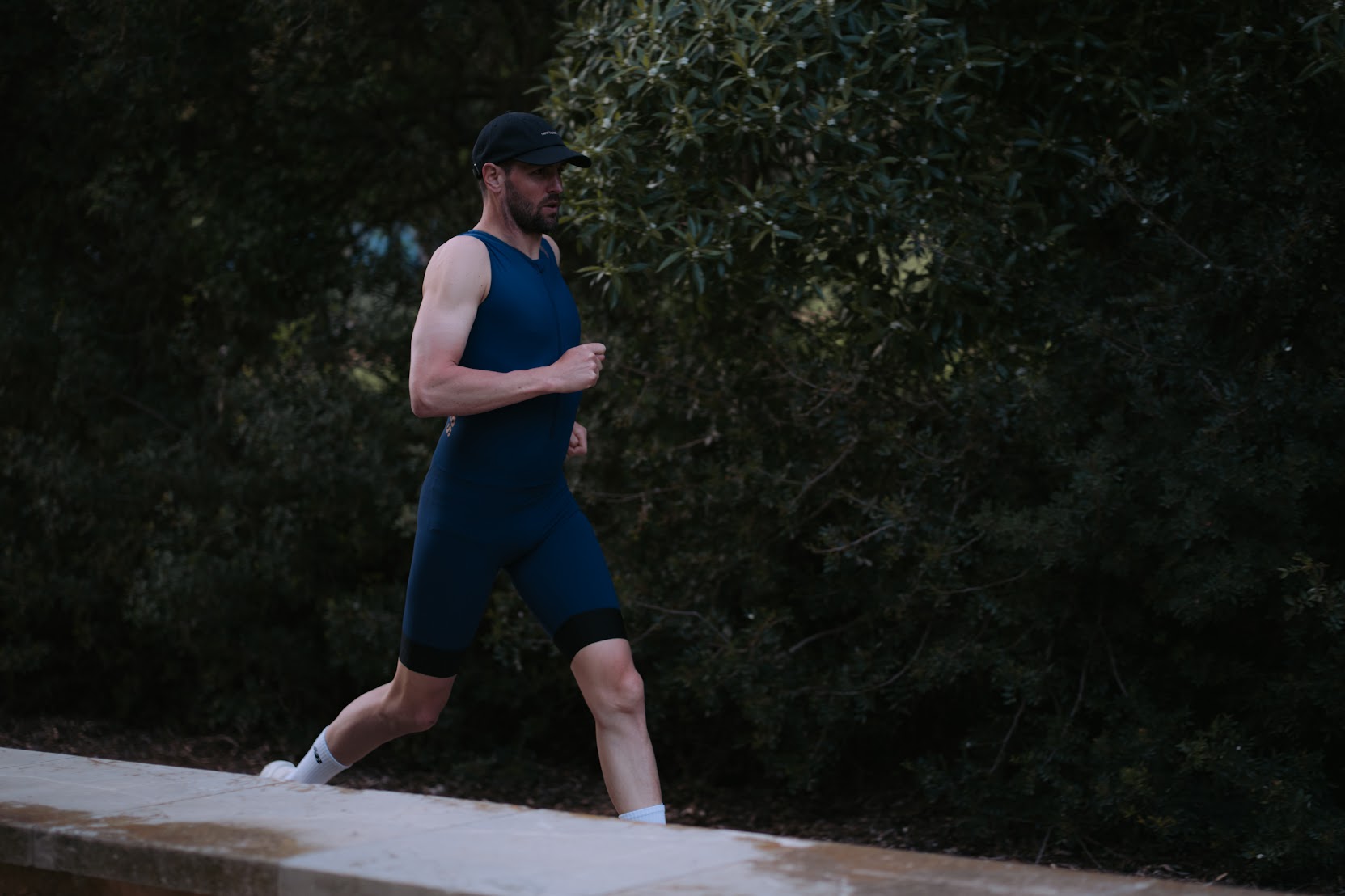
After 3.86 km of swimming and 180 km of cycling, Laidlow ran the marathon in 2:36:53 hours. That's about 3:43 per kilometer, or put another way: a 400-meter lap around a track in roughly 1:29, over and over, for 42 kilometers, with a full swim and bike already in his legs. On the day, that was only the fifth-fastest run split in the field. Kristian Blummenfelt ran 2:29:33, nearly seven minutes faster, and still couldn't catch him. The lead from the swim and bike was simply too big.
How much has the world-best time changed?
The record is no longer falling by minutes, but by seconds. In 2024, Magnus Ditlev set 7:23:24 hours in Roth. In April 2026, Kristian Blummenfelt lowered that to 7:21:24 at Ironman Texas. Now Sam Laidlow has taken another 20 seconds off, down to 7:21:04. The gaps keep shrinking, even though the workload stays exactly the same: 3.86 km swim, 180 km bike, a full marathon. It shows how tightly training, equipment, and race strategy are now dialed in at the top of the sport.
Frequently asked questions about Sam Laidlow's world-best time
How fast is Sam Laidlow's world-best time at Challenge Roth 2026?
7:21:04 hours for 3.86 km swimming, 180 km cycling, and 42.195 km running.
How fast does he swim, bike, and run to achieve that?
Around 1:13 per 100 m in the swim, just under 46 km/h on the bike, and about 3:43 per kilometer on the run, roughly a 400 m lap in 1:29.
Why couldn't Blummenfelt win despite a faster marathon?
Because Laidlow was already in the lead group out of the swim and extended that lead on the bike. A gap that large from the swim and bike is hard to close, even with a strong marathon.
If you want to feel as race-ready in the water as Laidlow, it's worth checking out our swimskins, as well as our goggles.
Enjoy your swim.


Leave a comment