


The first transition is where many athletes give away the time they worked so hard for in the water. A minute in T1 sounds like nothing, but it's exactly the margin that often decides a placing at the finish. The good news: T1 is the cheapest part of the race to improve, with no extra fitness required.
What actually happens in T1
T1 is the transition from the swim to the bike. Between exiting the water and mounting your bike, you have the run to your transition spot, getting the wetsuit off, helmet, shoes, and the way to the mount line. That sounds like a lot of small actions, and that's exactly the point: in T1 you rarely lose time through one big mistake, but through ten small delays that add up.
The swim exit starts in the water
The last 100 meters before the exit matter. Swim at the same rhythm until your final stroke and then suddenly stand up, and your circulation is still fully set up for a horizontal position, dizziness and heavy legs follow. Increase your kick rate slightly in those final meters instead. That brings blood back into your legs and makes the transition to running noticeably smoother.
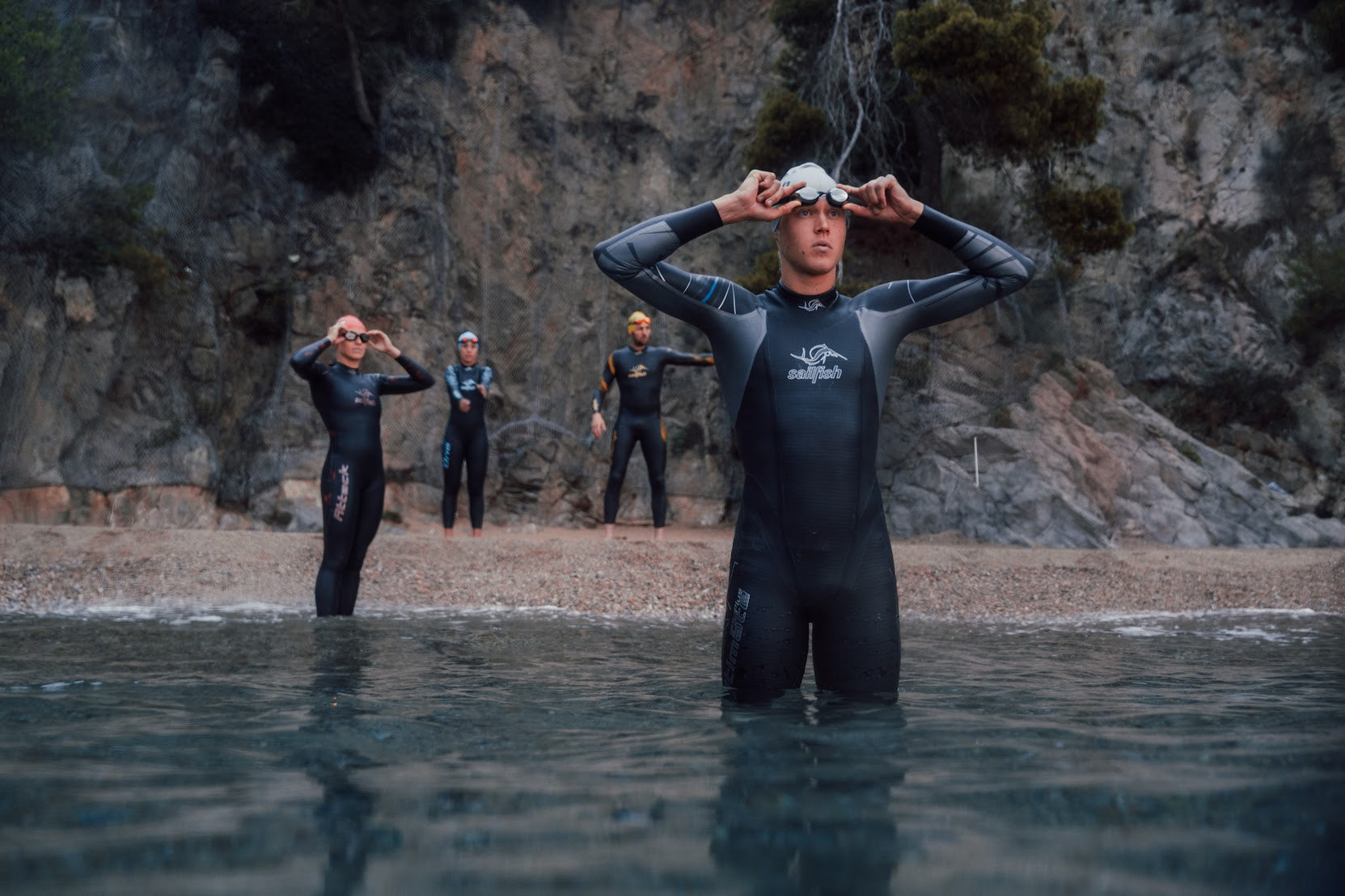
Also open your zip while still in shallow water and pull the upper half of your wetsuit down to your hips while you run. That saves several seconds at your transition spot, since you only have to get your legs out there.

Getting out of your wetsuit fast
The most common time sink is a wetsuit that catches on wrists and ankles. Two things help: first, technique, pull the sleeves over your hands rather than tugging at them, and for the legs, step on the neoprene of one leg with your other foot instead of bending down. Second, the material itself.
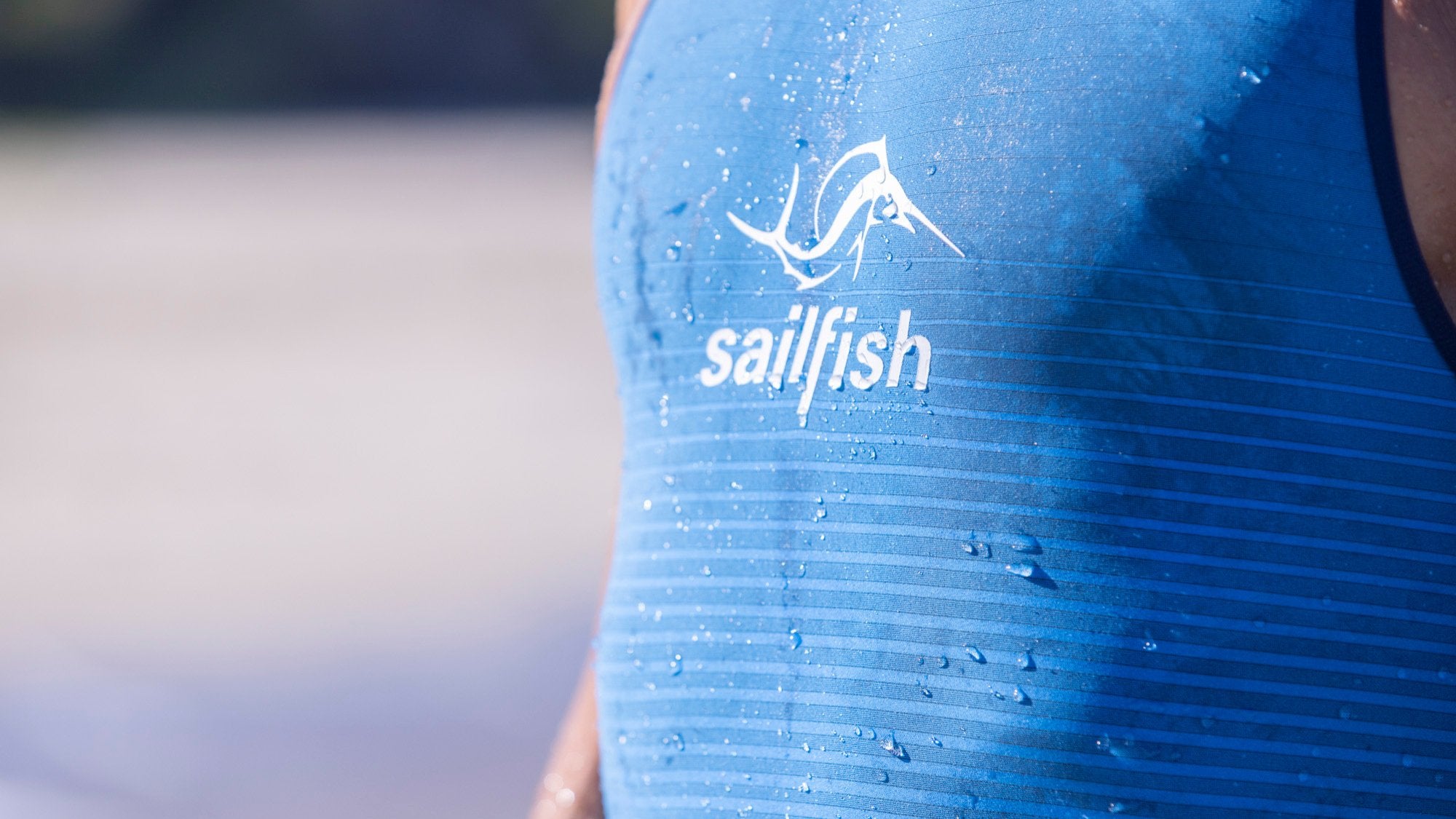
A quality suit with smooth, elastic neoprene at the forearms and calves slides off noticeably more easily than a stiff one. The sailfish Ultimate IPS Plus 4 is built exactly for that: alongside buoyancy and freedom of movement in the water, the materials at the arms and legs make sure the suit doesn't turn into a test of patience in transition. Anyone who's spent three minutes tugging at an ankle in a poorly fitting wetsuit knows this isn't a minor detail.
Your transition spot: less is faster
The more that's on your towel, the longer you search. Cut it down to the essentials: helmet with straps open, glasses in the helmet, shoes ready. Everything else costs seconds you spend thinking instead of acting. Set a fixed order and practice it, in the race your head should be free, not busy figuring out what comes next.
And the basic rule that disqualifies athletes every year: the helmet goes on first and gets fastened before you touch your bike. No time saving in the world is worth a penalty.
Shoes on the bike or at your spot?
Advanced athletes ride off with their shoes already clipped in and slip into them along the way, saving the run in cycling shoes. For beginners, though, that's often a net loss: if you're unsure, you lose more time along the way than putting them on at your spot, and you risk a crash. Decide honestly based on what you can reliably do in training, not on what looks fastest.
Practice T1, don't just plan it
Transitions are a skill like any other. Add a short T1 drill once a week: wetsuit off against the clock, helmet fastened, mount. Five minutes is enough. The difference between a practiced and an unpracticed transition is regularly over a minute, which makes it one of the best returns on effort in your entire training plan.
Frequently asked questions about T1
What does T1 mean in triathlon?
T1 is the first transition, from the swim to the bike, including the swim exit, removing your wetsuit, helmet, shoes, and the way to the mount line.
How much time can you save in T1?
The gap between a practiced and an unpracticed transition is often more than a minute, with no additional fitness required.
When does the helmet have to be fastened?
Before you touch your bike. An unfastened helmet at the bike regularly leads to time penalties or disqualification.
What's the fastest way to get a wetsuit off?
Open the zip while still in shallow water, pull the upper half down to your hips while running, then step on the neoprene of one leg with your other foot instead of bending down.
Enjoy your swim.


Leave a comment