


3.8 kilometers of swimming, 180 kilometers of cycling, a full marathon. On paper, a long-distance triathlon sounds like a pure fitness question. In reality, it's decided just as much in your head and in your preparation. First-timers tend to underestimate the same handful of things. Here are the most important ones, so you're not caught off guard on race day.
The distance feels longer than your training ever did
Even if you regularly train long sessions, race day brings a new dimension: you'll be out there far longer than any single training session before it, usually between nine and thirteen hours, depending on your target time. That means your body and mind have to handle stress phases you've never fully simulated in training. A training plan with a long bike-run brick every few weeks prepares you for it, but it doesn't replace the feeling of the actual race day.
The swim start decides more than you'd think
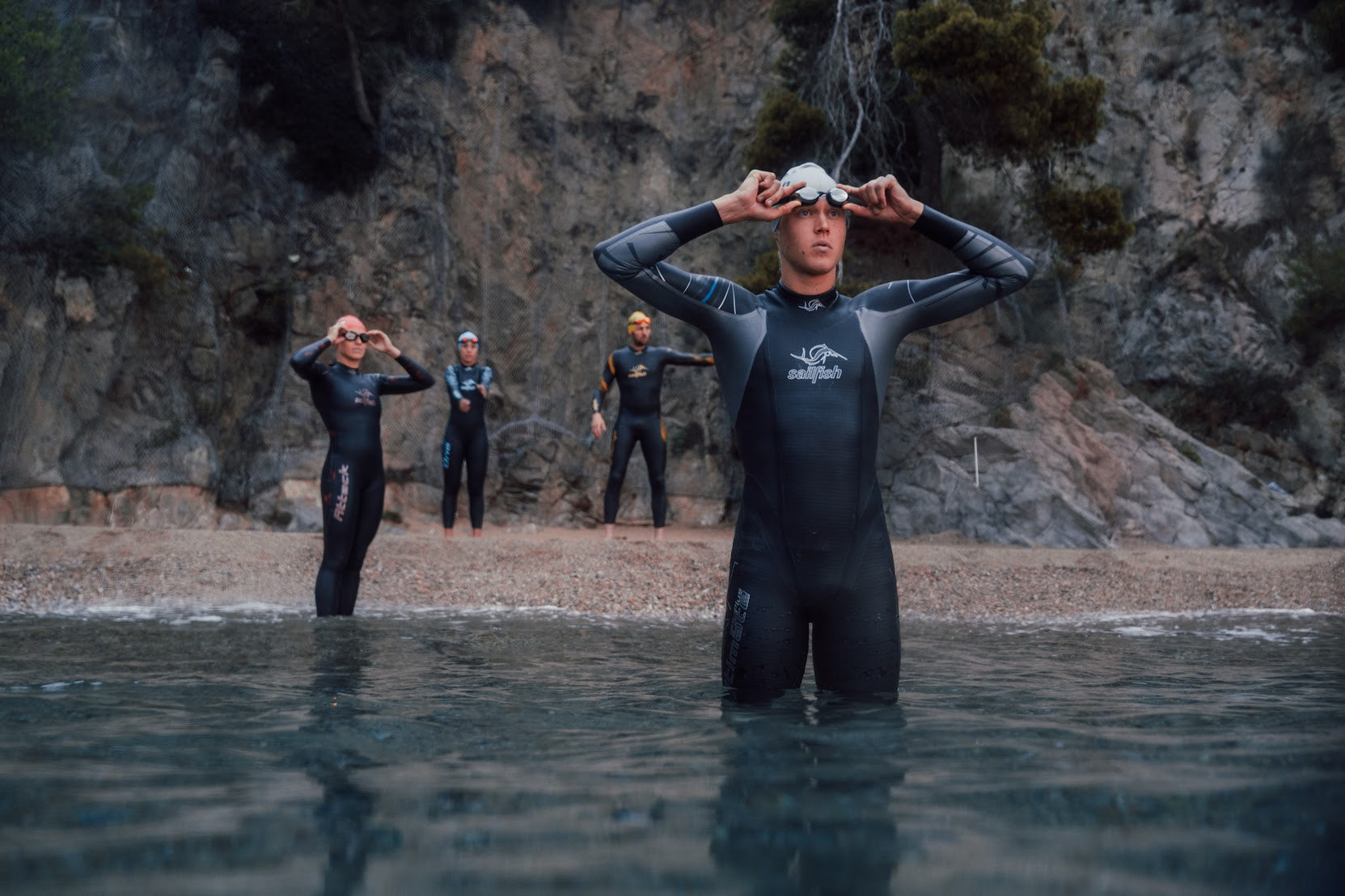
A mass start with hundreds of athletes is nothing like calm lap swimming in a pool. Bumping into people, contact with other swimmers, and sheer crowding in the first few minutes are, for many first-timers, the most stressful part of the whole day. What matters more than raw swim speed is often a calm head and a body position that gives you confidence, even when things get chaotic around you.
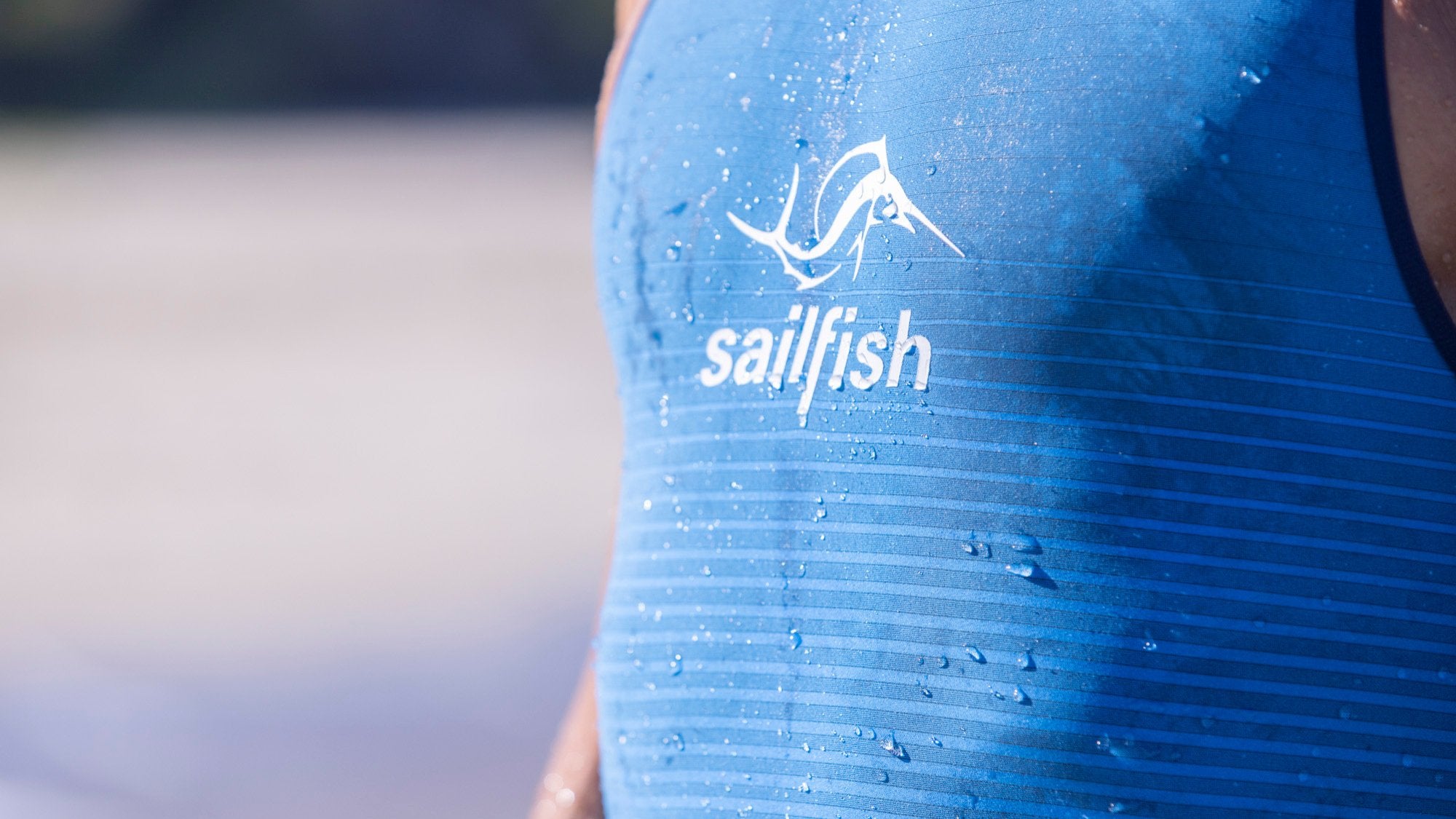
A good wetsuit makes a noticeable difference here, not just for your time, but for how safe you feel in the water. Buoyancy at the hips and thighs keeps your legs up, even if you briefly lose your technique under stress. For the 3.8 kilometers of a long-distance swim, a suit with noticeable buoyancy and plenty of shoulder freedom is worth it, like the sailfish Ultimate IPS Plus 4, our current flagship model. Three layers of neoprene with integrated air chambers provide buoyancy at the chest, hips, and thighs, while the new Zero Resistance Panel Pro is specifically built for freedom of movement over long swim distances, without your shoulders or arms tiring early.

Pacing: the biggest mistake happens on the bike
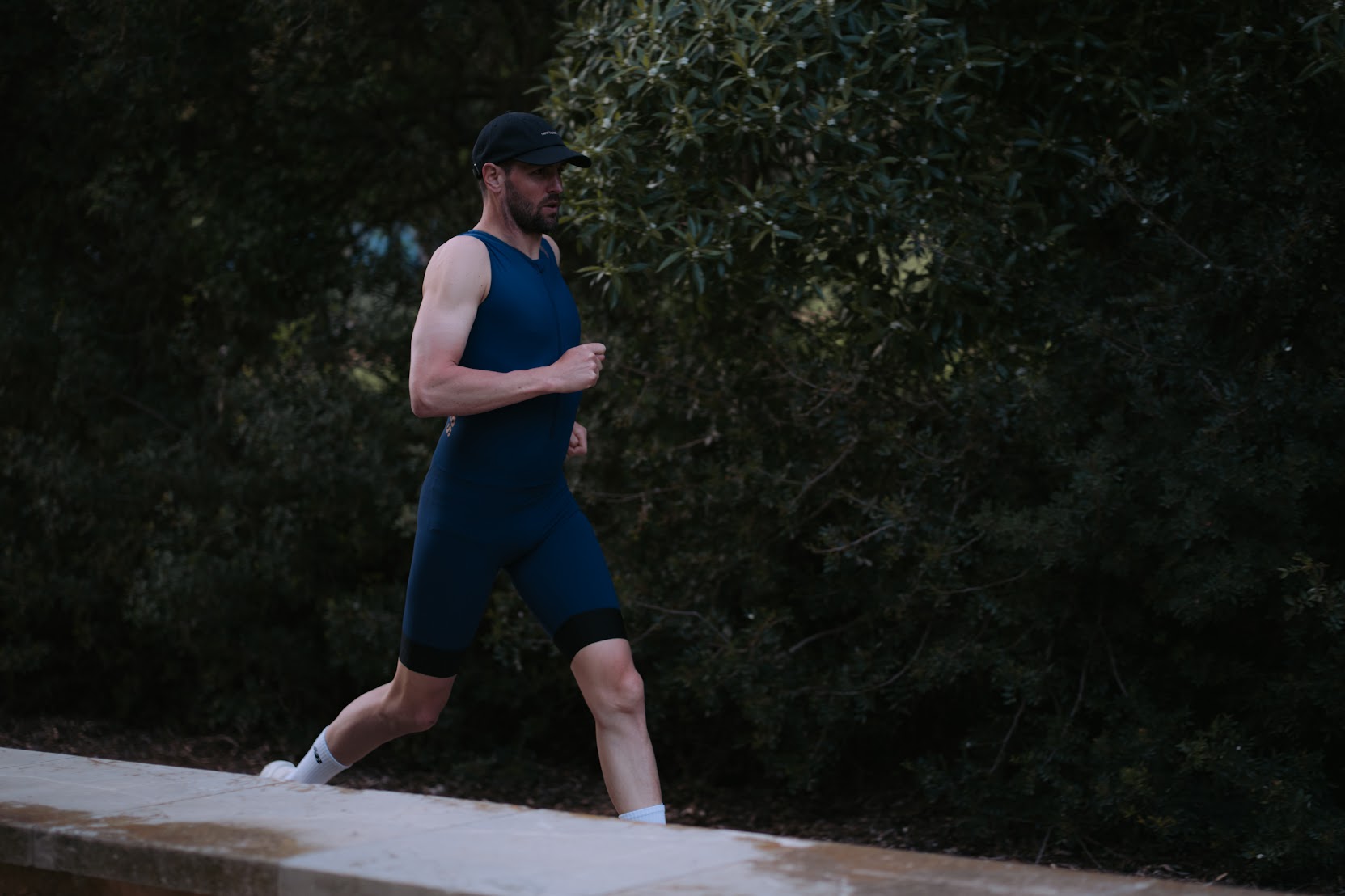
Most first-timers start the bike leg too fast, driven by the relief of finishing the swim and the energy of the field. The problem usually shows up around kilometer 120 or 130, when your legs suddenly feel empty and the marathon is still entirely ahead of you. A realistic, slightly conservative bike split is almost always the better choice over an ambitious start you'll pay for later.
Nutrition decides more than raw fitness
If you've never tested your race-day nutrition under real load in training, you risk stomach problems at exactly the moment you can least afford them. Plan your carbohydrate intake on a fixed schedule, not only once you feel hungry or thirsty, and test every product beforehand during a long training session.
Your mind is the biggest unknown variable
At some point during the marathon, usually between kilometer 25 and 32, almost every first-timer hits a point where motivation drops. That's normal and not a sign of poor preparation. A fixed mental anchor point helps, whether it's a short-term goal to the next aid station or a simple thought you've prepared specifically for that moment.
What you actually need on race day
Beyond your wetsuit, bike, and running shoes, a short, honest checklist the night before is worth it: tested nutrition, broken-in running shoes, a realistic time plan for all three disciplines, and a plan B for when something doesn't go to plan, a cramp, a mechanical issue, a bad patch. Thinking it through beforehand means you react more calmly during the race.
Frequently asked questions about your first long-distance race
How long does a long-distance race take for first-timers?
Usually between nine and thirteen hours depending on fitness level, noticeably longer than any single training session before it.
What's the most common mistake in a first long-distance race?
Cycling too fast in the first hours, which catches up with you during the marathon once your energy runs low.
How important is the wetsuit for a long-distance race?
Very important, both for your time and for how safe you feel in the often chaotic mass start, especially through buoyancy at the hips and thighs.
Enjoy your swim.


Leave a comment