


Pull buoys and paddles are among the most popular training tools in the pool, and among the most commonly misused. Used correctly, they improve technique, strength, and feel for the water. Used incorrectly, mistakes creep in or the shoulder gets overloaded. Here's how to get the most out of both.
What does a pull buoy do?
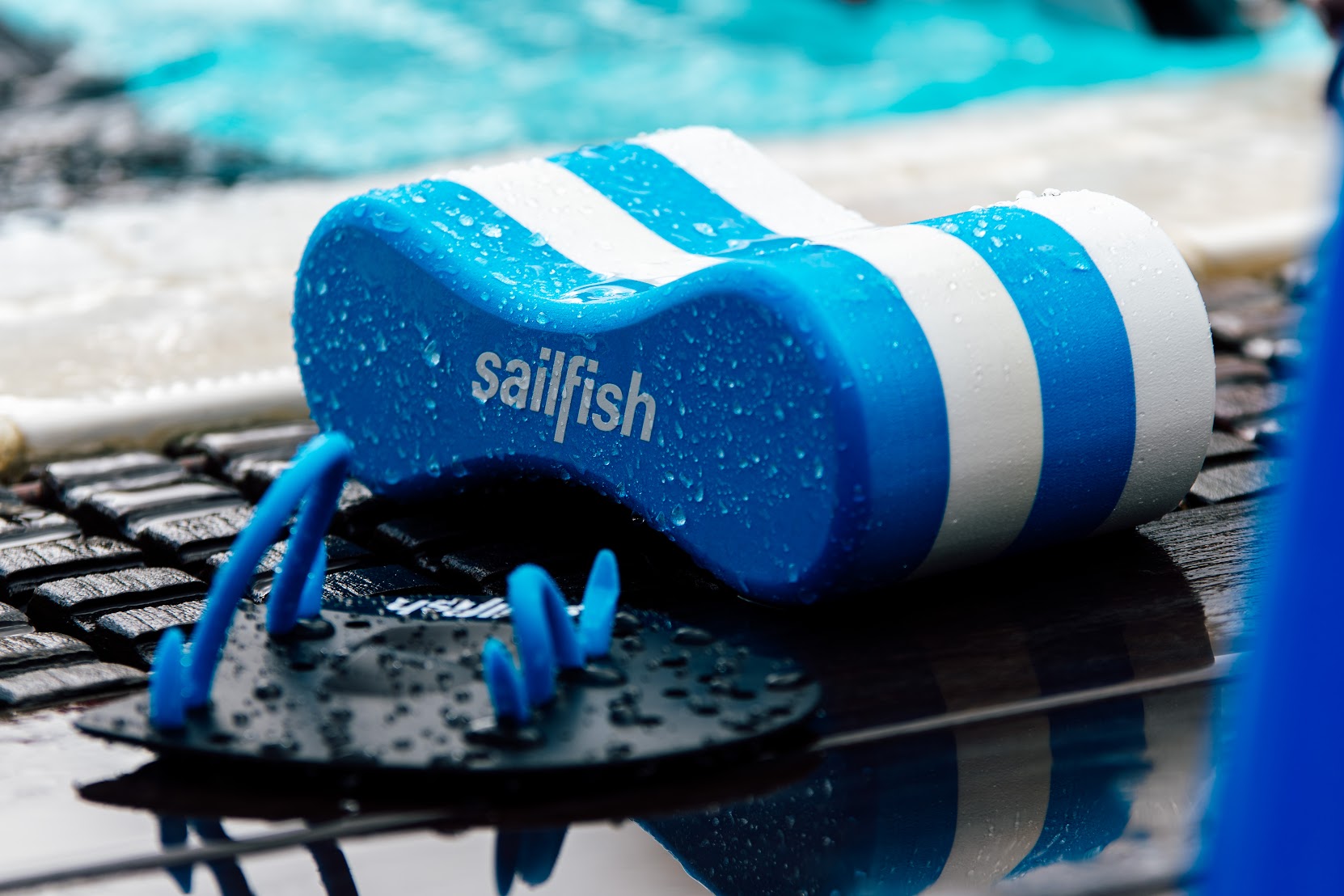
A pull buoy is a foam buoyancy aid you clamp between your thighs. It lifts your legs and largely switches off the kick. That lets you focus fully on the arm pull, rotation, and body position, without the legs "helping out." For triathletes especially, this is valuable, because it specifically trains the upper-body propulsion that becomes even more dominant in a wetsuit.
What do paddles offer?

Paddles increase the surface area of your hand and thus the resistance in the water. That has two effects: you train swim-specific strength, and you feel your pull path more clearly, a good way to develop the catch and feel for the water. The right size matters: paddles that are too big quickly overload the shoulder. When in doubt, start with smaller models and build up slowly.
The most common mistake: too much, too soon
The classic mistake is swimming a whole session with paddles right away. That's exactly what overloads the shoulder, which is already the most heavily loaded joint in swimming. Instead, build paddles into short sets and increase the volume over weeks, not days. Another mistake: using paddles to swim faster rather than cleaner. The point is technique and strength work, not speed at any cost.
The combination: pull buoy and paddles together
Pull buoy and paddles combine well. The pull buoy stabilizes your body position, the paddles increase the pull stimulus, so you can focus completely on a powerful, clean arm pull. Pay particular attention to a high elbow during the catch: because the paddles increase resistance, this combination is less forgiving of technique flaws, but also exposes them faster. For a powerful upper-body focus it's ideal, for easy technique days less so.
When you're better off swimming without aids
Aids are a supplement, not a replacement for clean swimming without anything. Swimmers who train only with a pull buoy lose their feel for a balanced kick and natural body position. So use the tools deliberately for specific sets, and swim a good portion of every session consciously without aids to integrate what you've learned.
The right equipment
To get started, a classic pull buoy with good buoyancy and a pair of paddles in the right size are enough. You'll find both in our swim equipment, for example the sailfish Pull Buoy and the sailfish paddles. With the paddles, choose a size that matches your current training level, when in doubt, go one size smaller.
Frequently asked questions about pull buoys and paddles
What is a pull buoy good for?
It lifts your legs and switches off the kick, so you can focus on the arm pull, rotation, and body position.
Are paddles suitable for beginners?
Yes, but in a small size and in short sets. Paddles that are too big or too much volume quickly overload the shoulder.
Can I use a pull buoy and paddles together?
Yes, the combination is well suited to powerful upper-body and technique work, but it exposes technique flaws more.
Should I always swim with aids?
No. Use them deliberately for individual sets and swim part of every session consciously without aids.
Enjoy your swim.


Leave a comment